Drama Guide · Fan Favorite
琅琊榜Lángyá Bǎng · Nirvana in Fire
2015 · Fictional "Da Liang" empire · political drama
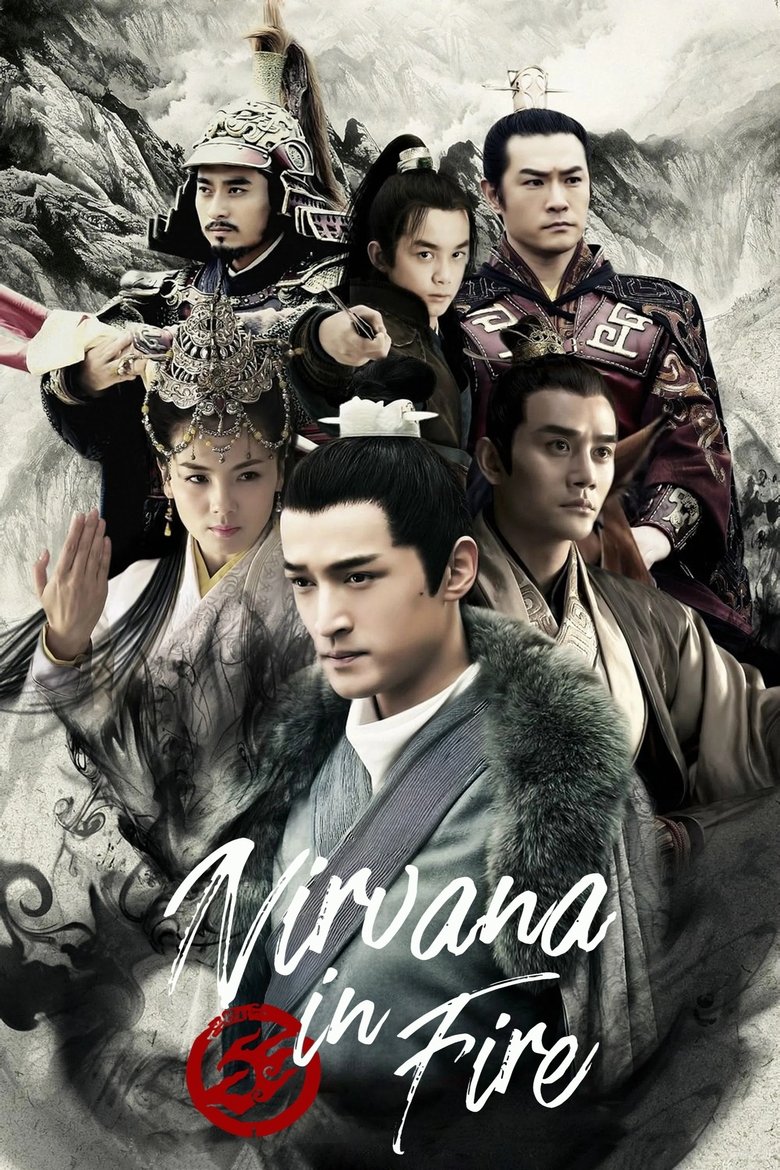
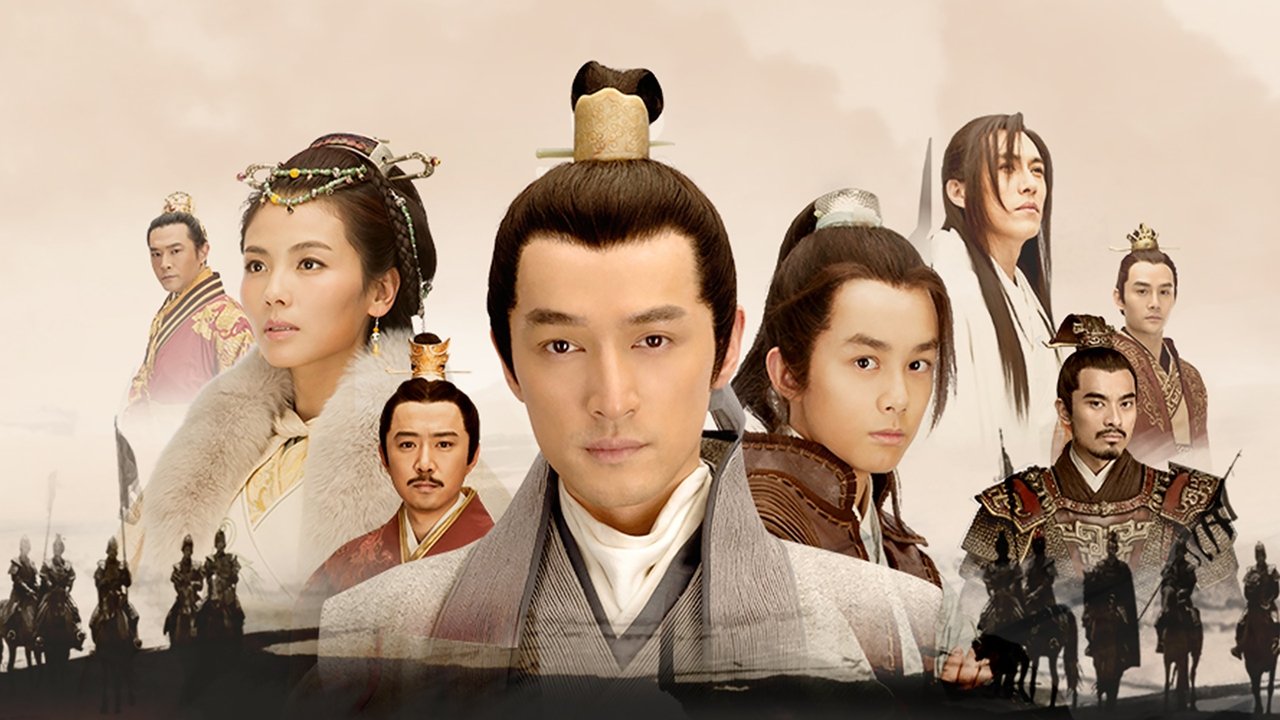
Twelve years after his entire family and the seventy-thousand-strong Chiyan Army were wiped out on false charges of treason, the sole survivor, Lin Shu, returns to the capital — transformed, in both body and name. As the brilliant strategist "Mei Changsu," he quietly maneuvers the empire's princes, generals, and officials toward a single goal: clearing his family's name and placing a worthy ruler on the throne, whatever the cost to himself.
Mei Changsu / Lin Shu
The protagonist
Once a celebrated young general, now a frail strategist hiding a devastating secret — and a mind for political warfare unmatched in the capital.
Prince Jing (Xiao Jingyan)
Candidate for the throne
An honorable, sidelined prince whose integrity makes him both Mei Changsu's chosen ally and the one person he can never fully be honest with.
Princess Nihuang
Childhood friend & general
A formidable military commander and Lin Shu's former betrothed, who slowly senses there's more to "Mei Changsu" than he lets on.
Emperor Liang
The ruling emperor
The paranoid ruler whose decisions, years ago, set the tragedy in motion — and whose court Mei Changsu now turns against itself.
The real history behind it: The "Da Liang" empire of Nirvana in Fire is fictional — no such dynasty ever ruled China — but its world borrows heavily from the Southern and Northern Dynasties period (420–589 CE), an age of fractured states, court purges, and generals who rose to become emperors. The show's central tragedy — a loyal general's family destroyed by a paranoid court, only for the truth to resurface years later — echoes real political purges throughout Chinese history. Many fans consider Nirvana in Fire the gold standard for costume dramas precisely because of how seriously it treats court politics, military strategy, and the slow, layered mechanics of revenge.
The court of "Da Liang" is fictional, but the world it's built on is real — explore the dynasties that shaped ancient China.