A Dynasty Split in Two
Founded in 960 CE after a period of fragmentation following the Tang collapse, the Song dynasty reunified most of China — but never fully secured its northern frontier. In 1127, the Song lost its northern capital to the Jurchen-led Jin dynasty and retreated south, ruling from Hangzhou for the remainder of its existence. Historians divide the dynasty into the Northern Song (960–1127) and Southern Song (1127–1279) for exactly this reason. Despite the territorial losses, the Southern Song remained immensely wealthy, urbanized, and culturally productive.
The Inventions That Changed the World
The Song dynasty produced an extraordinary concentration of technological breakthroughs. Gunpowder, first developed earlier, was refined into actual weapons during this period. The magnetic compass came into use for navigation. Movable-type printing was invented — centuries before Gutenberg — though woodblock printing remained more practical for Chinese characters. And facing a shortage of copper coins, the Song government issued the world's first government-backed paper currency. Song-dynasty cities like Kaifeng and Hangzhou were among the largest and most commercially sophisticated in the world, with restaurants, theaters, and a thriving merchant class.
Art, Philosophy, and a Slow-Motion Crisis
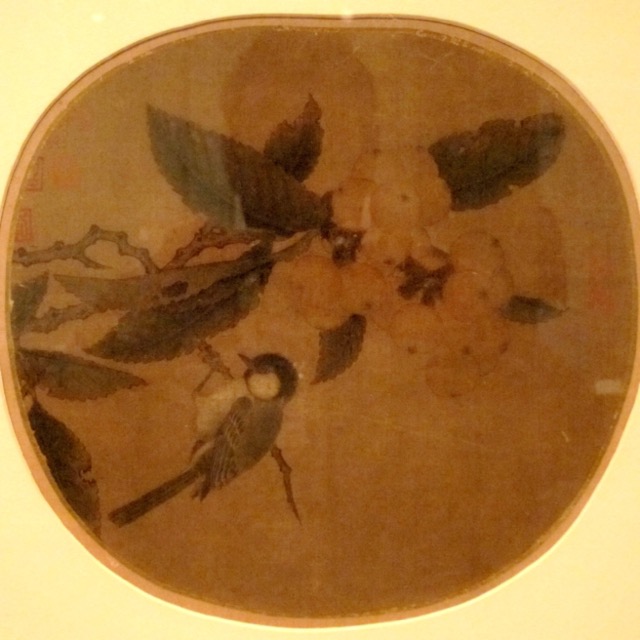
This was also a golden age of Chinese painting — refined, atmospheric landscapes and close observations of nature, like the loquat-and-bird painting shown here, exemplify the Song aesthetic. Neo-Confucianism, a philosophical revival blending Confucian ethics with Buddhist and Daoist ideas, took shape during this period and would dominate Chinese intellectual life for centuries. But militarily, the Song never solved the problem of its northern neighbors. In 1279, the Southern Song finally fell — not to the Jin, but to the Mongols, who had already conquered most of Eurasia.
The Southern Song's court intrigue and martial-arts culture are the backdrop for The Legend of the Condor Heroes and similar wuxia classics, which are set against the real backdrop of Song China's struggle against northern invaders.
From inventive empire to Mongol conquest
See the full timeline, or jump ahead to the Yuan dynasty that conquered the Song.