A Grandson of Genghis Khan Takes the Throne
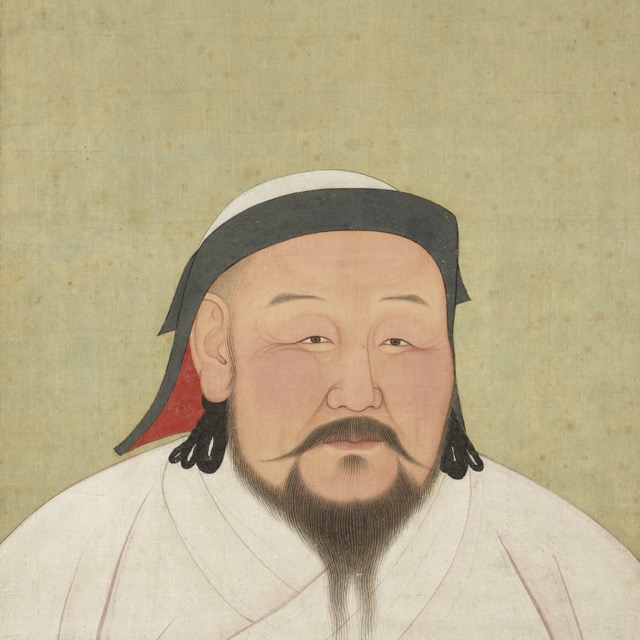
By the time the Mongols finished conquering the Southern Song in 1279, they already controlled the largest contiguous land empire in history, stretching from Korea to Eastern Europe. Kublai Khan, grandson of Genghis Khan, had declared himself Emperor of China in 1271, founding the Yuan dynasty and adopting a Chinese dynastic name even as he ruled as part of the broader Mongol Empire. For the first time, all of China was governed by a foreign dynasty — a precedent that would matter again centuries later under the Qing.
A Multi-Ethnic Empire, Ruled from Above
Mongol rule reorganized Chinese society into a strict hierarchy with Mongols at the top, followed by other non-Chinese peoples (often called "Semu," including many Central Asians employed as administrators), then northern Chinese, and finally southern Chinese at the bottom. Despite — or because of — this system, the Yuan period was one of remarkable connectivity: the Mongol-controlled trade routes across Eurasia were safer and more open than they had been in centuries, and it was during this era that the Venetian merchant Marco Polo claimed to have traveled to and served at Kublai Khan's court, later producing an account of China that captivated European readers for generations.
A Short Reign and a Lasting Rebellion
The Yuan dynasty lasted less than a hundred years — remarkably brief by Chinese dynastic standards. Heavy taxation, natural disasters, and resentment of Mongol rule fueled widespread unrest, culminating in the Red Turban Rebellion, a series of uprisings led by various rebel groups. One of those rebel leaders, a former monk and beggar named Zhu Yuanzhang, eventually defeated his rivals and the Yuan court, founding the Ming dynasty in 1368 and driving the Mongols back to the steppe.
The transition from Yuan to Ming — and the chaos of the Red Turban Rebellion — is a popular setting for historical dramas about commoners and rebels rising to power, mirroring the real story of the Ming founder's own rags-to-emperor journey.
From Mongol rule to the Ming restoration
See the full timeline, or jump ahead to the Ming dynasty that followed.