Chang'an: The World's Largest City
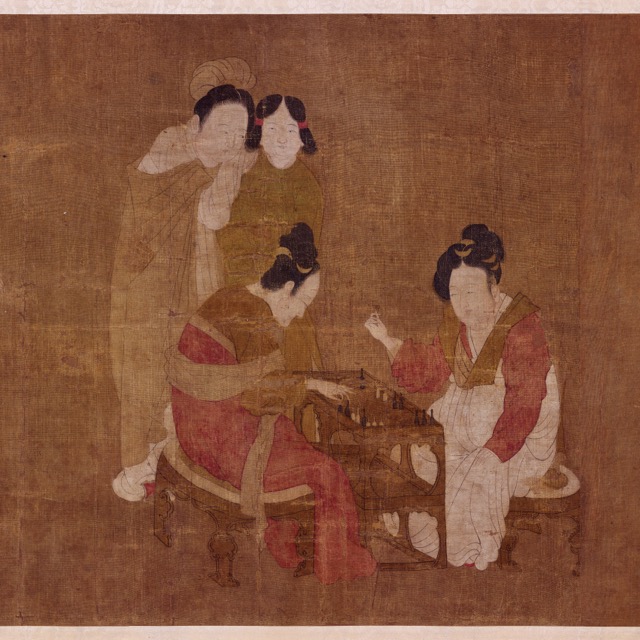
Founded in 618 CE after the brief but pivotal Sui dynasty reunified China, the Tang turned its capital, Chang'an, into a planned metropolis of over a million people — by some estimates the largest city in the world at the time. Its grid of broad avenues hosted merchants, monks, and diplomats from Persia, India, Korea, Japan, and Central Asia. Buddhism, already present from Han times, flourished alongside Daoism and Confucianism, and Nestorian Christian and Zoroastrian communities also had a presence in the capital — a level of religious and ethnic diversity unmatched in earlier dynasties.
Wu Zetian: China's Only Female Emperor
No figure embodies the drama of the Tang court more than Wu Zetian, who began as a low-ranking concubine, maneuvered her way to becoming empress consort, and ultimately declared herself emperor in her own right in 690 CE — founding a brief interregnal dynasty before the Tang was restored. Her rise, ruthlessness, and effective governance have made her one of the most fascinating and frequently dramatized figures in Chinese history, inspiring numerous television adaptations of her life and court.
The Golden Age of Poetry and Trade
The Tang is considered the high point of classical Chinese poetry — poets like Li Bai and Du Fu wrote during this period, and their work is still memorized by Chinese schoolchildren today. Overland Silk Road trade reached new heights, and the Tang also pioneered maritime trade routes to Southeast Asia and beyond. Block printing, developed during this era, would eventually make the mass reproduction of texts possible. The dynasty's later decades were rocked by the An Lushan Rebellion, a devastating civil war from which the Tang never fully recovered, eventually fragmenting and falling in 907 CE.
Wu Zetian's extraordinary rise is the subject of The Empress of China, one of the most lavish Tang-dynasty costume dramas — well worth watching alongside this period for a (heavily dramatized) feel for the court intrigue of the era.
From cosmopolitan empire to artistic flowering
See the full timeline, learn more about Wu Zetian's reign, or jump ahead to the Song dynasty.